Fish farms
Most fish that we keep in fish tanks through retail come from fish farms. The rest can be wild caught fish. From fish farm or the wild to the commercial trade, fish will go to a wholesaler or importer somewhere on this globe.
There are a serious number of fish farms all over the world. Most ornamental fish come from Asian, Israeli, Polish, Czech and Brazilian fish farms. In our country, most will be coming from Asian and Israeli fish farms. A lot of wholesaler don't only get their fish from fish farms, but also from private breeders who have an excessive number of specific fish species or strains which are meant for the commercial trade.
A large majority of ornamental fish are bred in captivity. For freshwater species this is around 90% of fish traded. An estimated 5,000 species of fish and 1.5 billion traded fish annually around the world.
The EU is the single largest market block for aquarium fish, The value of the EU aquarium fish market is estimated to be around €1 billion per year. This includes the sale of ornamental fish, invertebrates, plants, and aquarium equipment.
There is significant aquaculture production within the EU across countries such as Czech Republic, France, Germany, Hungary, Italy, Netherlands, Poland, Portugal and Spain.
Many EU member states require aquarium producers to be licensed – same/similar regulations to aquaculture.
EU Regulatory Environment
• The aquarium sector is generally considered a part of the larger aquaculture
industry, legislation changes within the EU that affect the aquaculture industry,
also impact the aquarium sector:
• Animal Health Law
• Plant Health Law (for aquatic plant species)
• Animal Welfare
• Invasive Alien Species
• CITES and Wildlife Trade
• Medication use
• Feed use
• Sustainability
• Member states will also have varying regulation that applies to the aquarium
sector
EU Regulation – Closed Facility
• Import and trade of aquarium fish to the EU previously regulated under: https://eurlex.europa.eu/legal-content/EN/TXT/HTML/?uri=CELEX%3A32008R1251
• This legislation identified that majority of aquarium fish operators were closed facility which had reduced biosecurity risk
• A closed facility is defined as a holding facility without any direct contact with natural waters of the Community or one which is equipped with an effluent treatment system which is capable of killing fish pathogens.
• Import conditions for Ornamental aquatic animals intended for closed ornamental facilities
• 1. Ornamental fish of species susceptible to one or more of the diseases listed in the Directive shall only be imported into the Community from approved third countries.
• 2. Ornamental fish which are not of susceptible species to any of the diseases listed in the Directive shall only be imported into the Community from third countries or territories that are members of the World Organisation for Animal Health (OIE).
• 3. Consignments of the animals referred to in paragraphs shall be accompanied by an animal health certificate and comply with the animal health requirements set out in the model
• Current under the EU regulation ONLY sets up one aquatic disease with a direct to the ornamental aquatic trade under the EU AHL, with the Koi Herpes Virus as a CATEGORY E disease – i.e. notification and surveillance- with as vector species the Goldfish and Koi Carp.
In practice:
• All species need a HC to enter into the EU, but for these two vector species specific EU actions (i.e. notification and surveillance) are required as per the EU AHL.
• Each Member State can also set up additional requirements for the entry into its jurisdiction of some ornamental species – this varies but in general refers to the OIE listed diseases.
• Member states apply various controls to importers and commercial traders including:
• Registration / licensing of commercial operations
• Minimum standards for water disposal and other biosecurity measures
• Use of medications and veterinarian chemicals
Exporters
• To be able to export to the EU, exporters must meet minimum requirements to be able to export to EU – EU authorities will audit exporting Competent Authority and farms to ensure compliance.
• In the past there have been instances of EU banning imports from certain countries that don’t meet these requirements.
• Current ban of coldwater fish (Koi Carp & Goldfish) from Malaysia due to SVC status.
• Farms need to be registered and monitored by local Competent Authority, including disease surveillance inline with OIE standards.
• A summary of general requirements for approval for export:
• Facilities must be secure.
• Secure water source - Water for the farm is supplied directly from a borehole, spring or well which does not constitute a source of infection. Alternatively water may be disinfected by a means that completely inactivates or is known to exclude named pathogens.
• Fish and vector species are prevented entry to the farm through adjacent waterways and flooding. No fish or eggs in the last two years from a farm of lower health status.
• Farm is part of disease surveillance program for at least two years by the official authorities to ensure the absence of specified pathogens. The site has to be inspected by vets or fish health experts at a time of year a particular disease might be expected to be seen.
• The farm keeps updated records of incidence of disease, mortalities, live fish or eggs entering or leaving the site, including both their source and destination. Sites should report any abnormal mortalities, or clinical signs of disease, that caused a significant impact.
• Shipments are checked, samples of fish may be tested and are also visually inspected prior to issue of Health Certificates. There is no abnormal mortality or other clinical signs of disease on the day of packing.
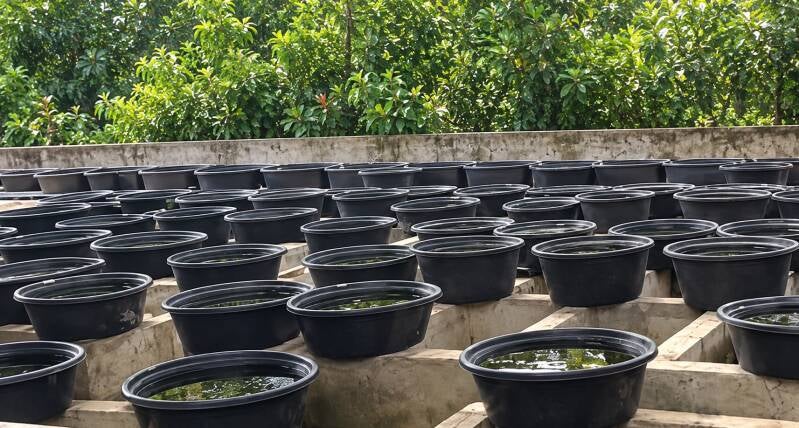

A lot of people ask when fish they've bought fish at a store, that they don't live that long as expected. There are multiple reasons why this happens. Those fish may look healthy and have a good behavior, but it still happens that the expected lifespan doesn't seem to be realistic. To make a reference to fish farms... When mass production is at hand at a fish farm, and they want to guarantee a continuous delivery of the demanded fish species or strains, fish will be raised in a high pace.
Fish that are born, should already be raised to almost adulthood in a very short time. Most of the time, they look like adult fish but are somewhat smaller as if they were raised at a lower pace. Raising them so fast, means that those fish look like adults but are actually much younger. This results in a shorter lifespan even though they look healthy. Also females will have less batches of fry because of their actual age and will die afterwards or their bodies will bend. Once bend, it won't be corrected anymore. Also this will result in a shorter lifespan.
At fish farms where there's a high demand for fish, selection on quality will hardly happen till even none. In fact, almost every single fish will be raised and sold. The result is that not only good genes but also bad genes are passed on. This can produce fish that are inferior in terms of health, physique and lifespan.
Because selection is at a low level with mass breeding, there will be a lot of specimens that are related to another. And this happens long term which won't contribute to a good quality of those fish.
At a serious number of Asian fish farms, abundant use of medication and an abundant use of salt as a preventive measure to combat diseases is going on. It would be way more salt than we would use. This makes them also more vulnerable.
Another factor consumers fail to take into account is that the fish at the fish farm swim in an environment with their own water parameters. Once they are off to an importer or wholesaler elsewhere, those fish will be put water with also different water parameters. Once they're on their way to a retailer, again they'll have to deal with different water parameters. Finally at the consumer, the water household will also be different. All the times that those fish had to be put in different water, can also lead to weaker fish. And even a shorter lifespan.
The only thing a retailer may give as an advice is that you have to let those fish acclimate in water temperature in your tank before releasing. Most of the time, there will be no information given about the difference in water parameters which can cause stress, sick fish or even dead fish.
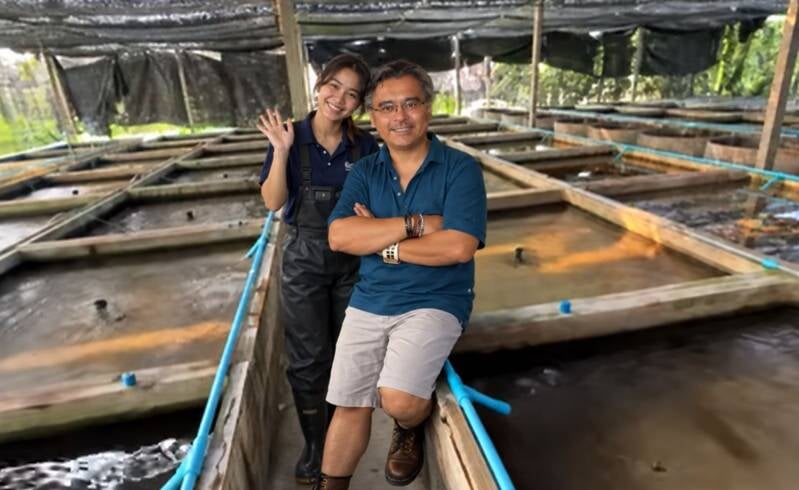
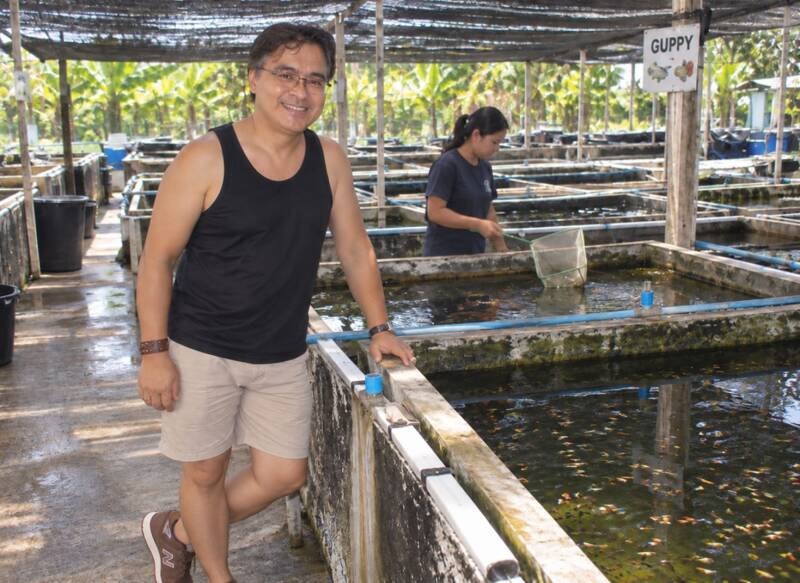
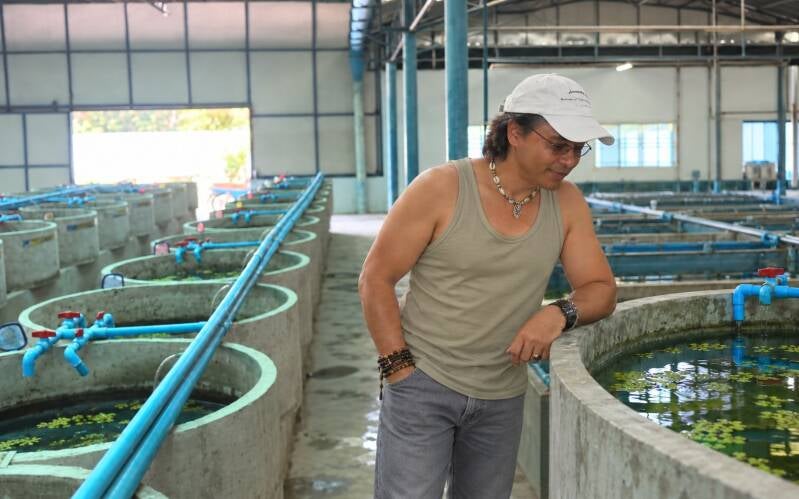
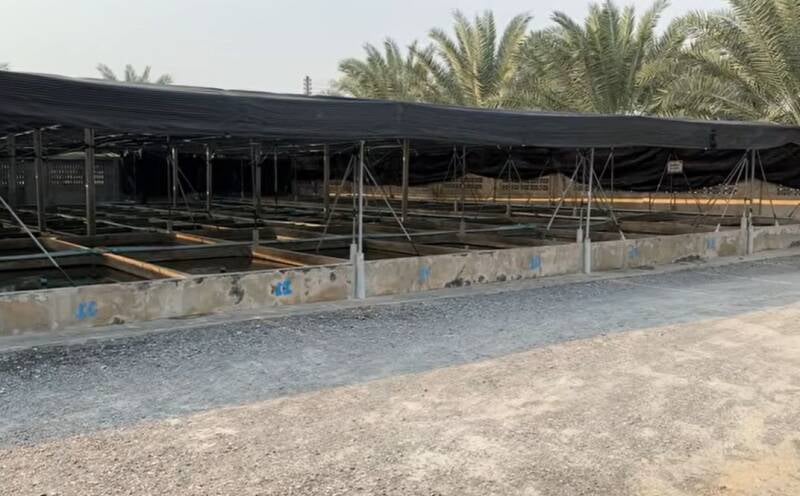
Below: Images of Asian fish farms.
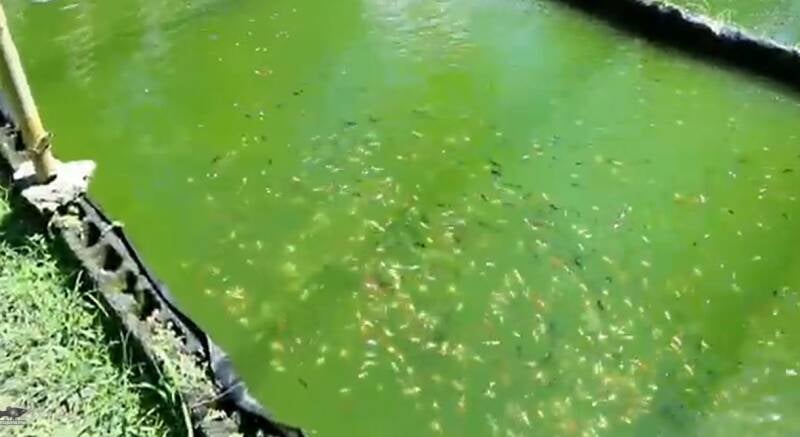

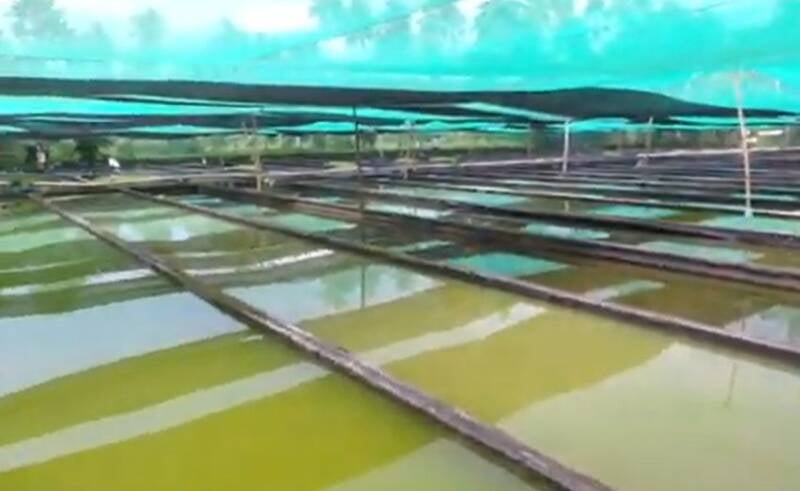
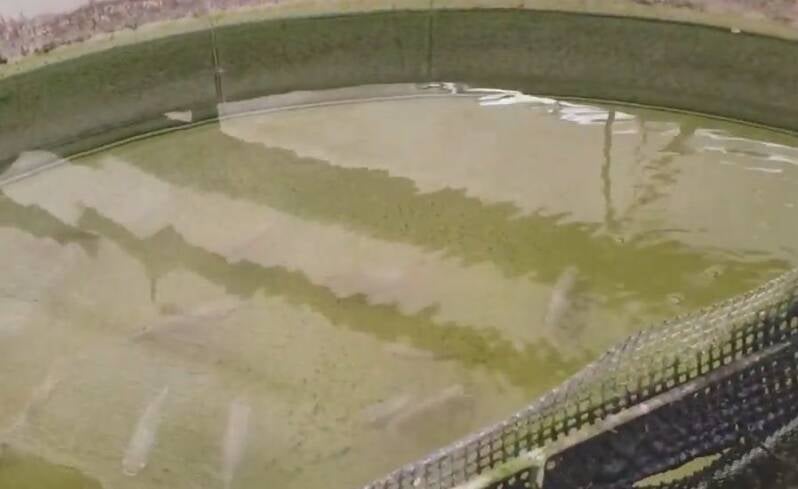
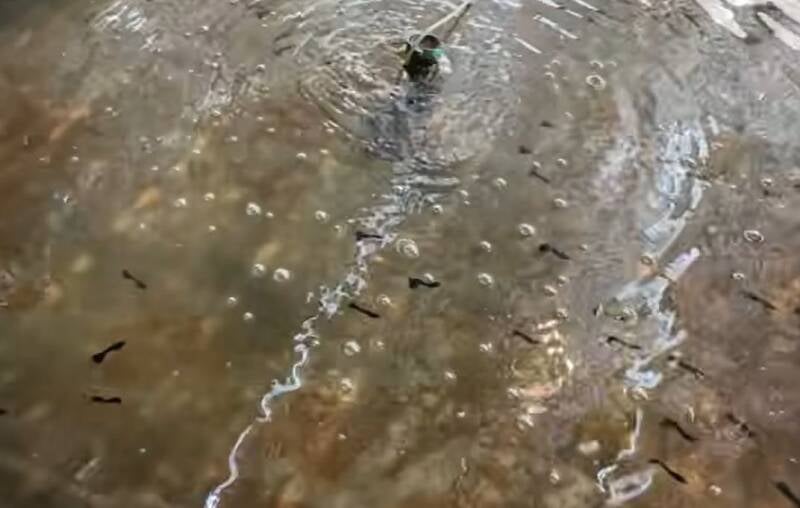

The majority of ornamental fish come from Asian fish farms. Although, there are parts in the world where fish farms are located, it's in general way cheaper to buy from Asia. The cheaper those fish, the less quality selection has taken place previously from these farms.
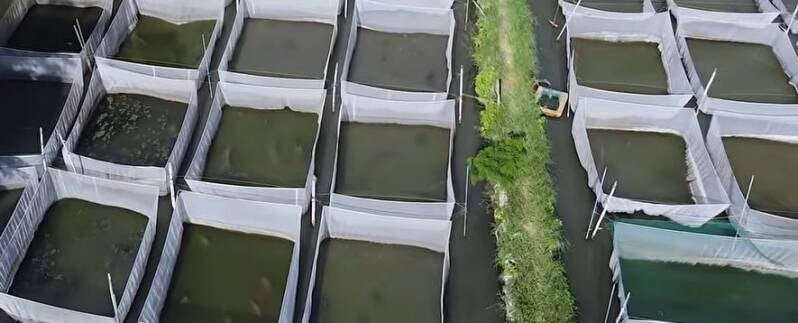

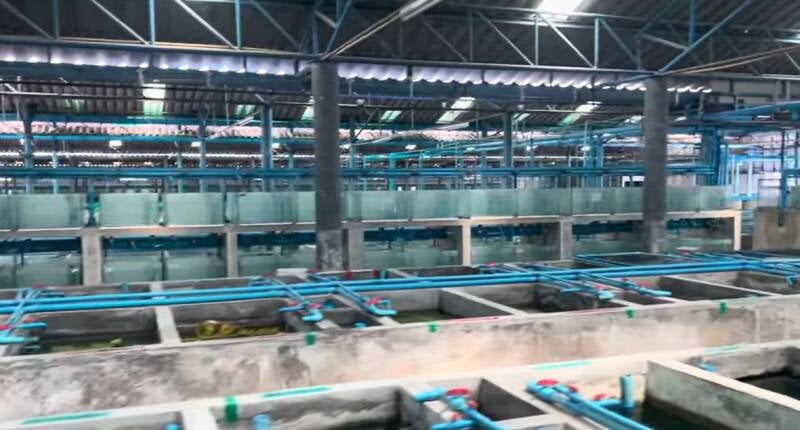

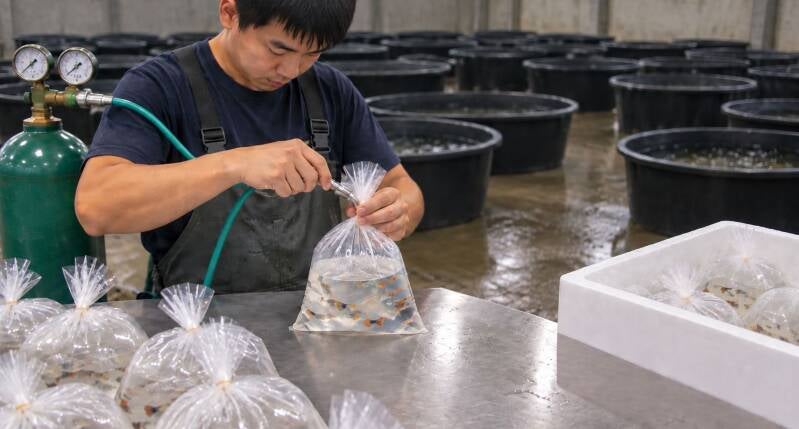
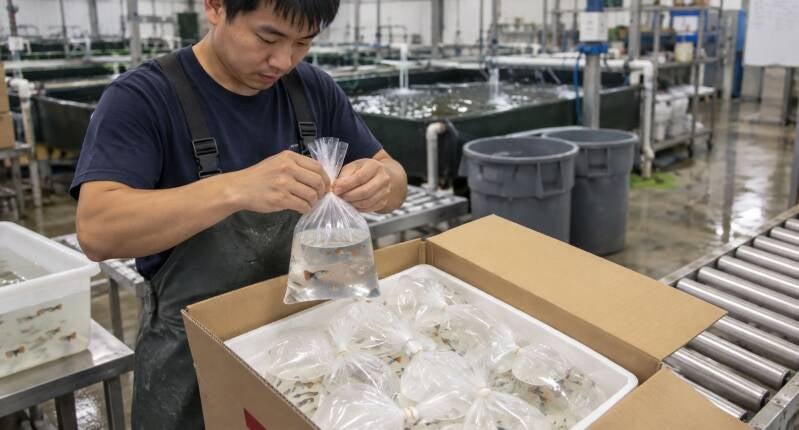
Visiting fish farms personally is one of my quilty pleasures. I already did that when I used to keep koi in my ponds. But visiting fish farms where they breed ornamental fish for fish tanks, is also something I like to do (if it's financial doable...)