Fish needs in relation to a fish tank
When we search for info about the needs of fish in relation to a fish tank, we find so many different rules and advices in relevant aquarium fish books and on the internet. A lot of that info is mainly based on generalizations. Which is a pity in my honest opinion. When we ought to look at the needs of fish in a fish tank, we need to look at the individual fish species and not specific to which order of fish the species belong in order to know what the species needs. For fish species belonging to the same order or family doesn't mean that all species included have the same needs.
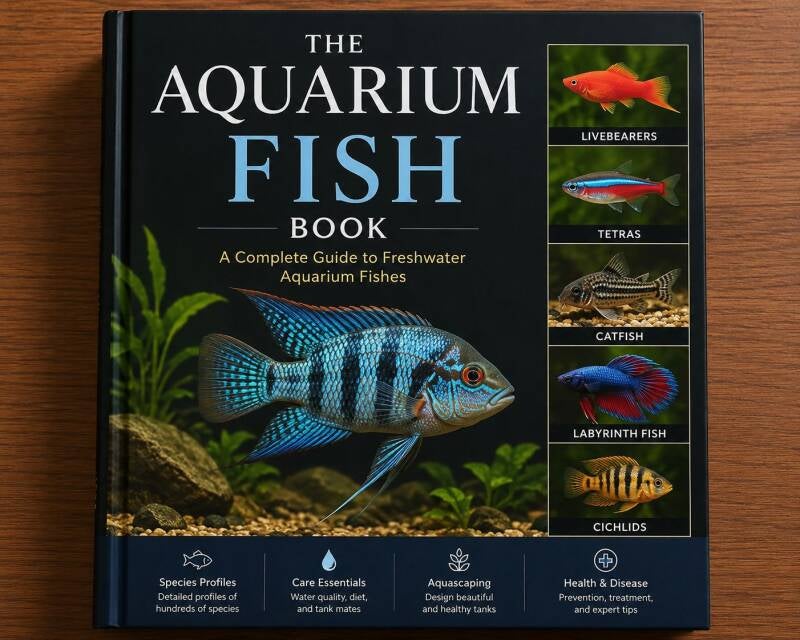
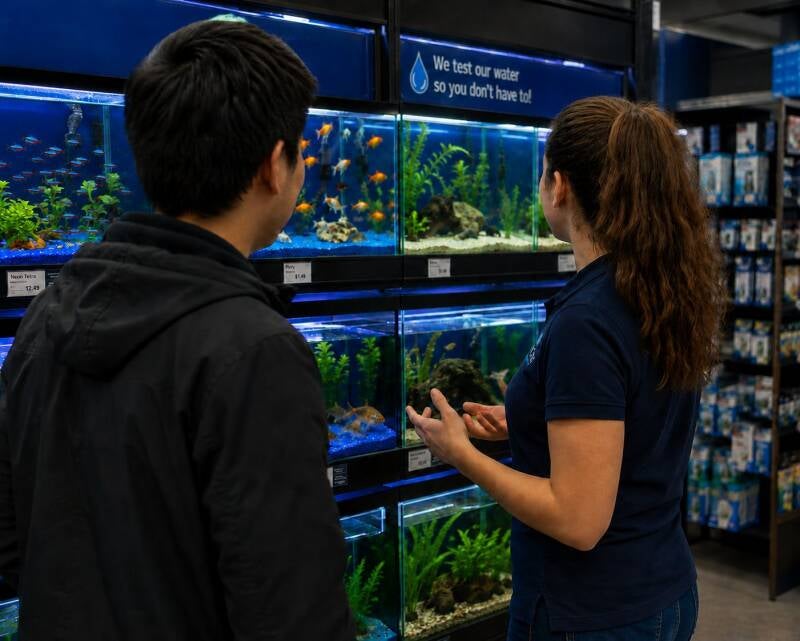
Also the info or advice one gets from a fish store doesn't always keep up with the actual needs of fish species. Not all but for sure a decent number of fish stores globally give general advice or info that doesn't meet up with the correct needs of the specific fish they sell. A better training would be in order at many fish stores. This is by no means a personal attack on all fish stores. But it's a fact that globally a lot of fish stores are not knowledgeable enough and uses general info instead. To me it's important that a fish store knows the specific needs of each individual fish species they offer.
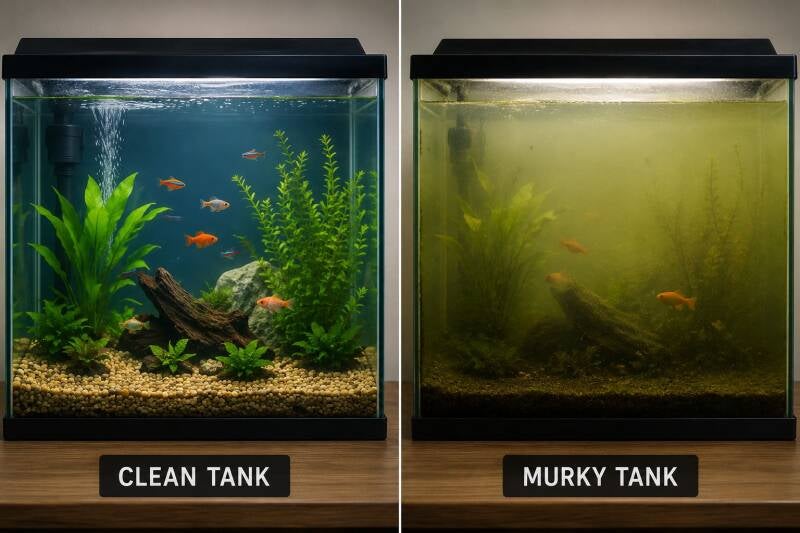
Do we always need a clean tank in order to keep fish healthy?
No, not specifically... It depends on the kind of fish is kept. Too often it's advised that we always need a very clean tank. I can state that not all fish species thrive well in a clean tank. Certain species can act weird, get sick or even die if the tank they're in is clean. You just need to be aware of what the fish species that is kept needs clean water or not. This means also that not all types of fish need a frequent water change in their tank. Too often is stated that a clean tank is a must! If one is stating that a fish tank should be clean at all times for all types of fish, that person lacks knowledge. Fish stores would probably contradict my statement about this. For if they would agree they wouldn't be able to sell the supplements to make the water clear and clean.
And actually, a murky fish tank can also contain more beneficial nutrition for fish than a complete clear tank.
Does a freshly started fish tank need a fishless nitrogen cycle before entering fish?
The answer is "yes" and "no". It really comes down to what types of fish one likes to keep. But if someone doesn't know what fish will be swimming in there yet then it's better to do the fishless nitrogen cycle just to be sure. There are sufficient fish species that won't be harmed to enter a fresh started fish tank. But you have to be aware of which fish those are if you do a fish in tank nitrogen cycle. It's nonsense to claim that all fish need a fishless nitrogen cycle first. But again, for sure it won't harm either to stick to a fishless nitrogen cycle first. The time frame of this cycle depends on what type of fish is preferable to keep. But most advised time frame will be 2-4 weeks. An ammonia spike can develop in the first week already but sometimes in the second week. There's no steady time frame for that.
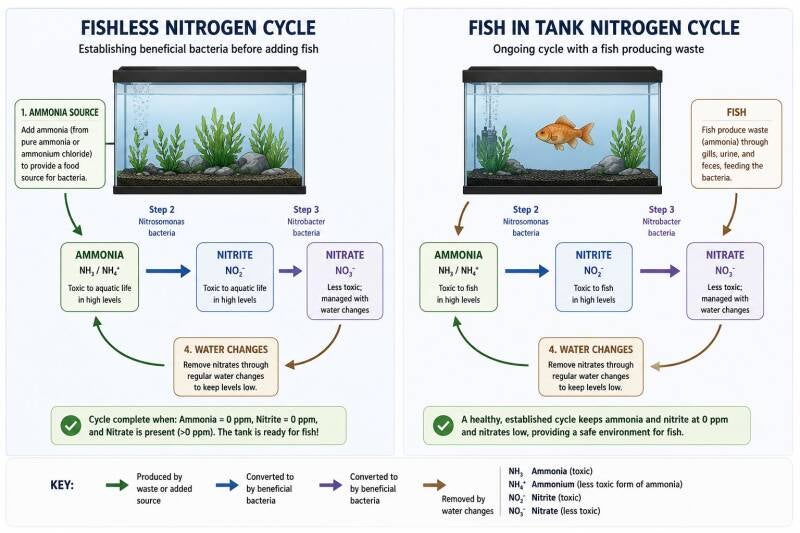
Another important note is that the tap water composition in each country can differ. For instance, in Holland there's no chorine in the tap water. Because of lacking chlorine, the nitrogen cycle can be shorter than in countries with chlorine in their tap water. Also the amounts of metals in tap water can differ. All factors that may be of influence on the time frame of a nitrogen cycle. Also the number of plants and type of plants are of influence on the nitrogen cycle time frame.
Don't be scared when the nitrite and nitrate levels are a bit present. Many would claim to have these parameters close to zero or even complete at zero as being best. But a low percentage of these parameters is essential for our aquatic plants.
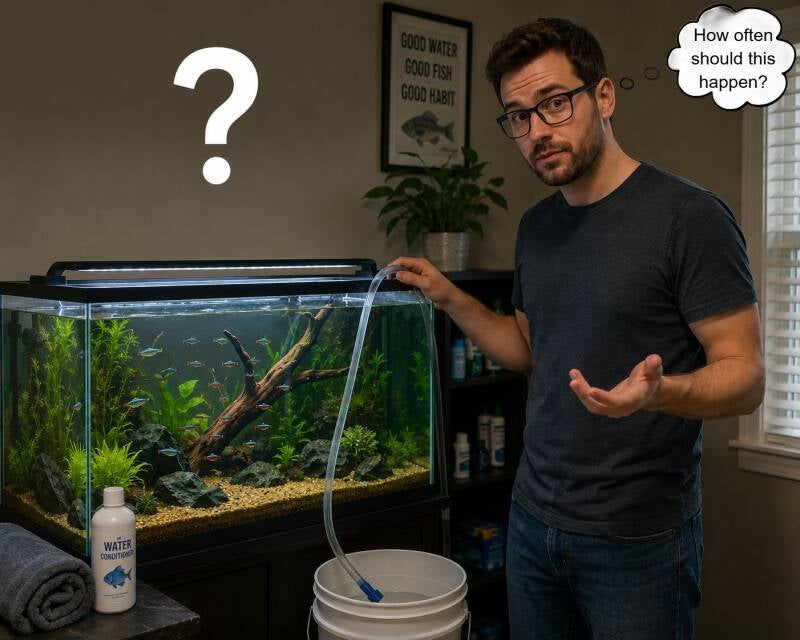
The water change frequency.
Referring to what I've mentioned above, the frequency of a water change is not a given. It depends on the types of fish is being kept and the total space of the tank. Depending on these two factors, the frequency and the amount of water that should be changed can differ a lot. If we look at the fish species kept... How many waste do they produce? Not only by their stool and urine but also the ammonia which develops by the water that will leave the fish's gills. Fast swimming fish produce more waste through their gills than slow swimming fish. The length of their digestive system also plays a role in producing more or less waste.
But also a lack of oxygen in the water will be of influence of the frequency of water change and amount of water that needs to be changed.
One of the mistakes a lot of people make is to do too many water changes. This can lead to an unbalanced water household. To get a well balanced water household is to give it time to ripe. Changing water too fast and too much won't lead to a well balanced water household. Unfortunately, there are many know-it-alls who want to claim the opposite. Doing water changes too quickly and too often actually throws the balance off. They remove the excess nitrate and replenish it with new tap water that is full of heavy metals (and possibly chlorine), which you actually want to avoid for the well-being of the fish. Plants however would welcome fresh tap water which contains those metals.
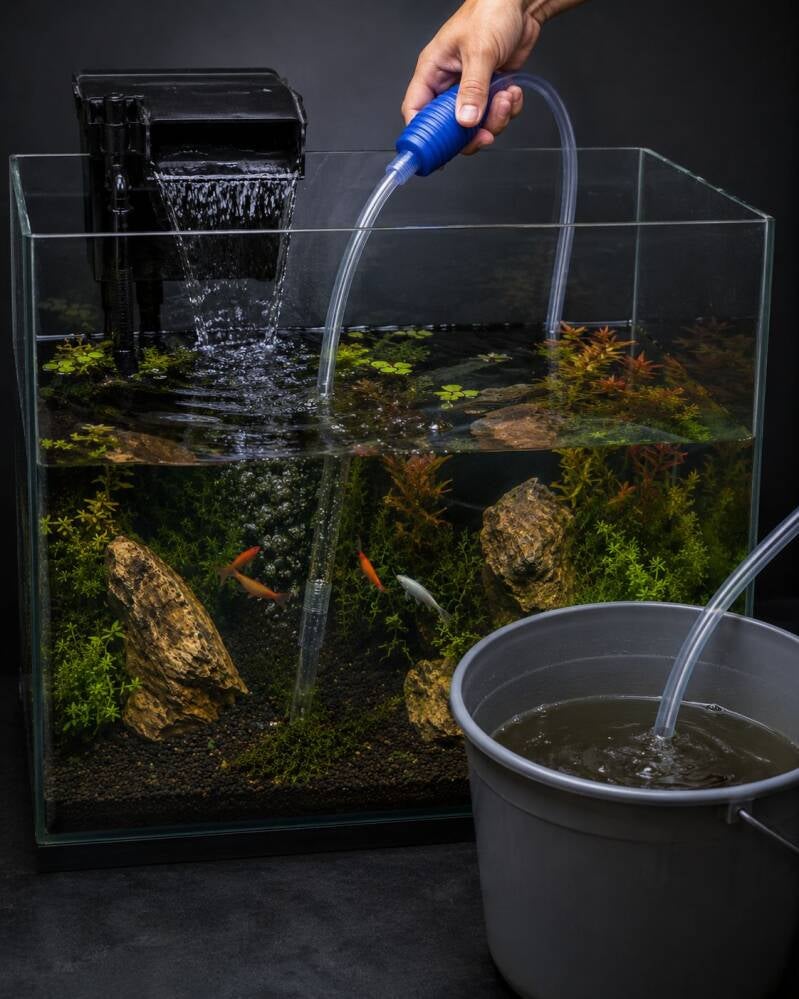
Frequency of water change in a grow out situation.
There's no right or wrong in how often and how much water should be changed in order to let fry grow up. It's just a matter of preference. Despite of the fact that a lot of breeders will suggest to have a higher frequency of water changes, a higher temperature and multiple times feeding a day to increase the speed of growing up fry, I myself choose deliberately to have a lower frequency of water changes. And I also keep them at moderate water temperatures. And a daily feeding rate of once or twice. Yes, my fish will grow up slower but that will contribute to a better immune system than when being raised in a higher pace. They become stronger and live longer. For raising fish in a fast way, does result in a shorter lifespan. The commercial trade also uses fish that are raised in a fast way in order to be able to continuously meet market demand. Such fish look like young adults while they're in fact much younger. One of the reasons why commercial bred fish don't last long. In general, they also have less batches of fry during their lifespan in comparison to specimens which are raised in a slower rate.
What also happens is that many fish species release pheromones and hormones into the water. In high concentrations, these chemicals "can possibly" result in a stunted growth of fry. To avoid a stunted growth or a slow growth of fry, a higher frequency of a water change is in play. But that happens mostly in fish tanks without any vegetation. So, in a normal planted tank, this problem should not be happening.
Does a smaller fish tank stunt the growth of fish in comparison to a bigger fish tank?
All throughout the years, it's been said that the smaller the fishes' environment the smaller those fish will stay. But to be honest, that doesn't have to be the case. There are lots of fish species that won't stop growing in a smaller environment. And this goes for a lot of fish species which we call aquarium fish. The correct remark would be: Depending on the fish species, the growth can stop, slow down or won't be of any issue when kept in a smaller environment.
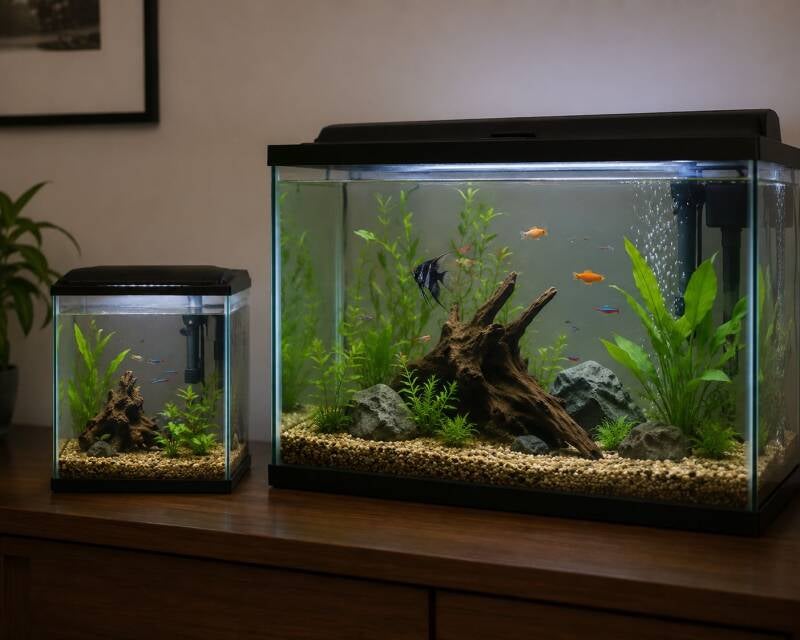
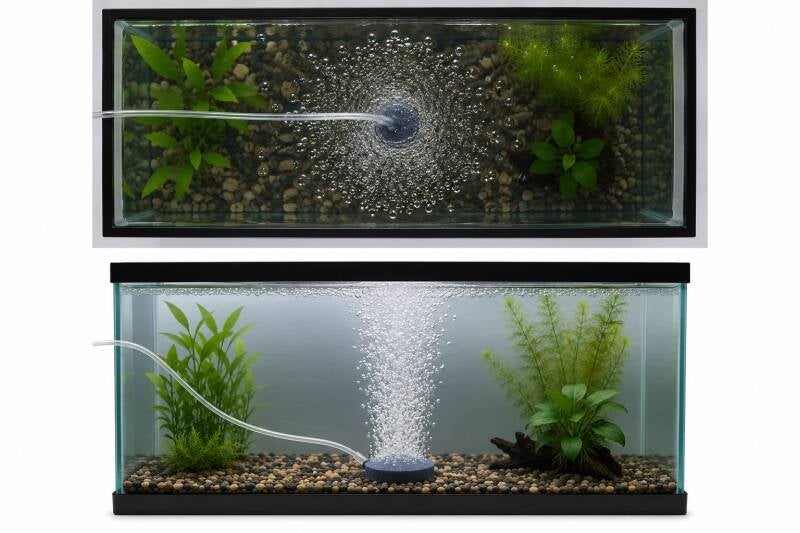
Aeration.
Not all fish species appreciate a lot of aeration in a fish tank. So, decide wisely if those fish kept are appreciating it or not. There are fish that thrive better in still water or less till more movement in water by all the air bubbles coming into the water.
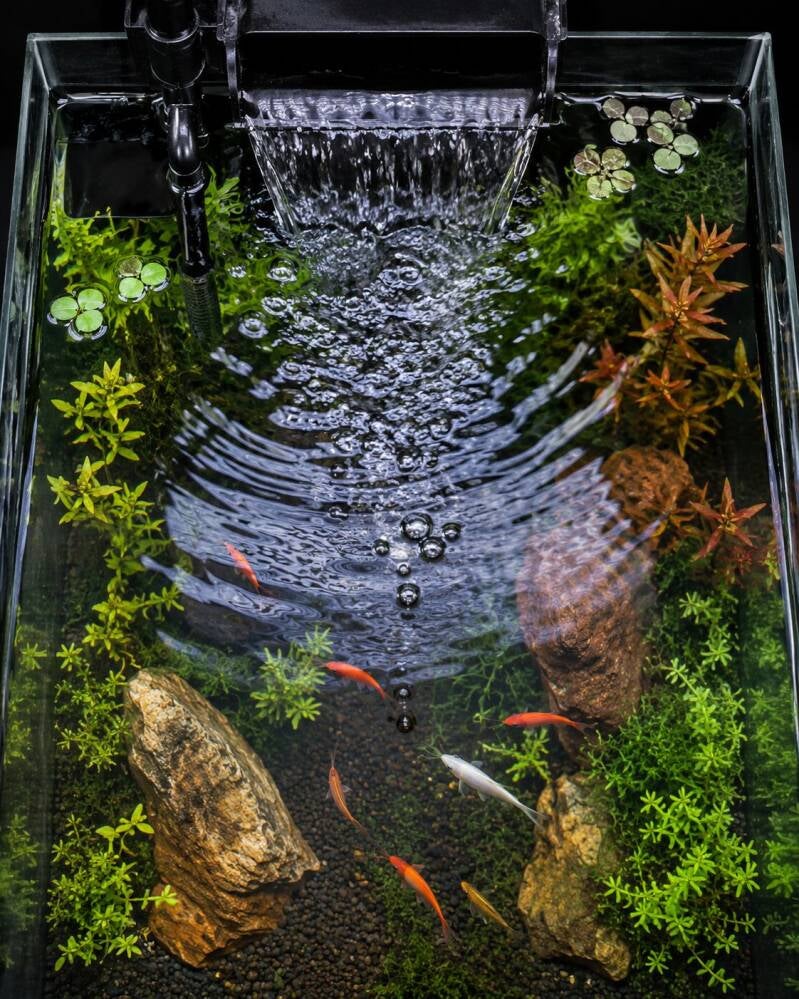
Water flow.
As already been mentioned, not all fish species are suited to keep in still, slow, moderate till heavily flowing water. So, be aware of those specific fishes' needs.

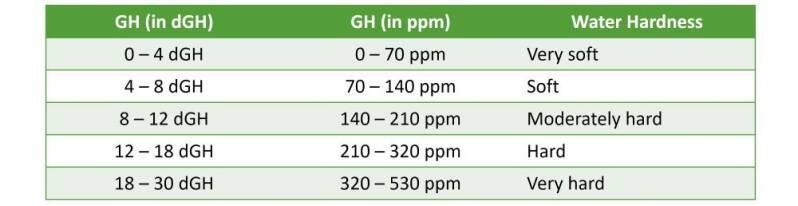
Water hardness.
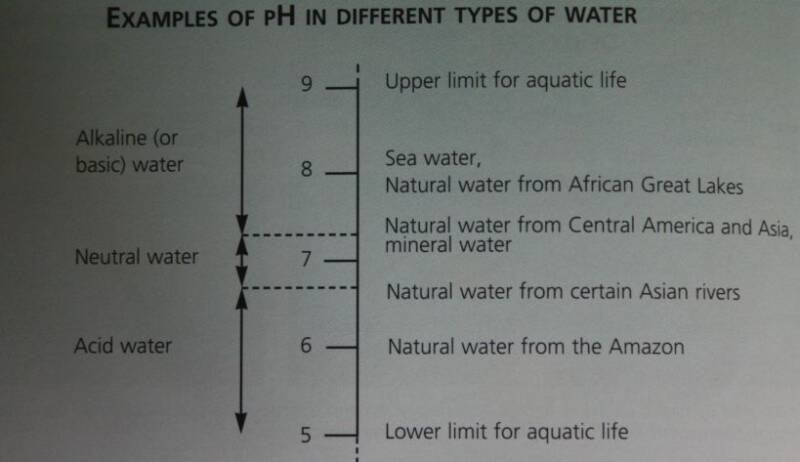
Depending on their origin of location, fish need a certain hardness of water to thrive well in. This is important when you want to keep your fish tank in a soft water, neutral or a hard water environment. Choose the right fish species when kept in a species tank or community tank to let them thrive well when it comes to the hardness of the water.
Water temperature.
There are a lot of discussions which temperature would be the correct one for your fish. We've got cold water, subtropical and tropical fish. Most people would suggest that subtropical would be equal to tropical fish. Just to make a clear difference between cold and warm water fish. That seems a simple and easy explanation (many fish stores would use this remark to explain the difference). But actually it's a but more complicated. And to tell that cold water fish come from cold countries, subtropical from subtropical countries and tropical fish from tropical countries, isn't also a correct statement to make.
It's the area within a country of origin whether we are dealing with cold water fish, subtropical fish or tropical fish. So, the exact location in such a country tells us what type of water fish we are dealing with. In a subtropical or tropical country at higher grounds we have water with lower temperatures in comparison to lower regions. Such fish can not be called tropical despite of the tropical country they're in. It will make them cold water fish or subtropical depending on the temperature conditions of the water. But also closed water environments in lower regions that are enclosed by vegetation where daylight doesn't seem to reach far enough can also be cold. Also in that case, we can not speak about tropical fish.
A lot of people are also not aware of the downfall in water temperature during nightfall in comparison to daytime in free nature. Depending on the location, the water body can be shallow or deep. The water bodies that are shallow will clearly have a bigger temperature downfall than the deeper water bodies. Especially when we are talking about regions in the equator zone on this globe. Those fish that live in these zones in shallow water bodies are dealing with a daily higher fluctuation in water temperature than those in deeper water bodies. Which tells us that those in shallow water bodies are stringer and need these fluctuations to thrive well. This brings me to the remark I read so often, particularly on the internet, that fish need a stable water temperature to stay healthy. For many species, however, it is actually very beneficial to have some fluctuation in water temperature.
Most of the time, we keep our fish a bit too high in temperature than they ought to be in. Why? Because that's how we were taught by the commercial aquarium fish books. If one has visited certain areas on this globe and observed those fish which we call aquarium fish in free nature, we'll notice that to thrive well, certain parameters such as temperature does fluctuate more than a commercial aquarium fish book will ever mention.
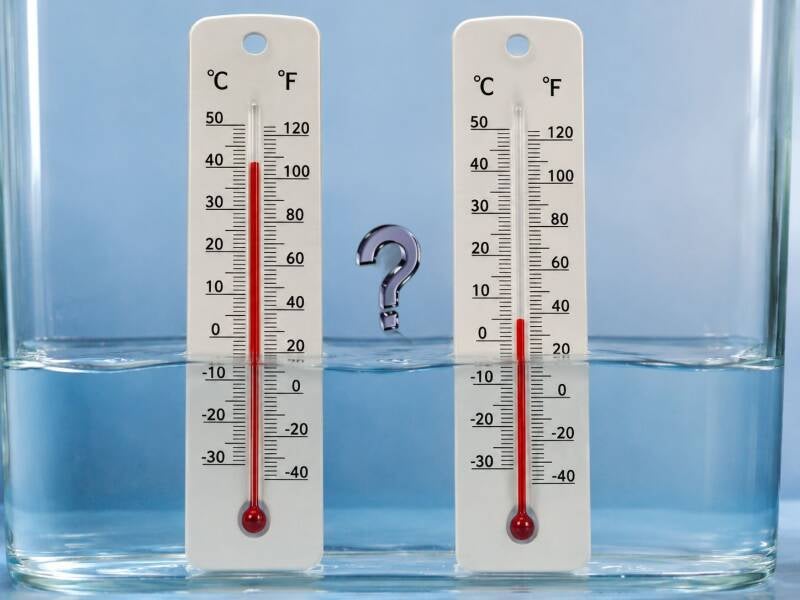
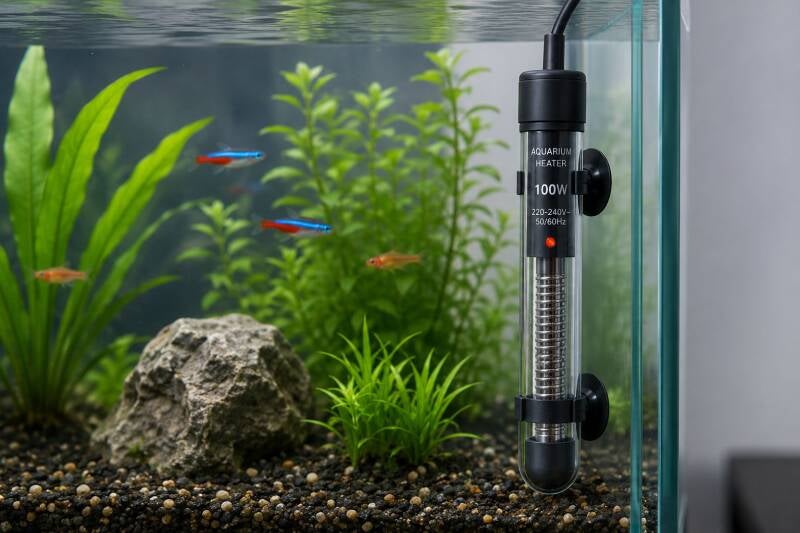
Does every tropical or subtropical fish tank always need a heater?
The answer is "NO"! It depends more on the temperature of the environment the fish tank is in. If the environment is warm enough to those kept fish, a heater is of no use. Certain fish are sensitive to fluctuations in temperature. This means a downfall or increase of the water temperature. It's actually not the fluctuation itself but the speed of the fluctuation that may cause problems to water temperature sensitive fish. For instance, discus fish are mostly kept between 26°C - 32°C, depending on the strain. The most common discus fish strains are also thriving well at 24°C (and reproduce) but it should happen gradually what I can tell from experience. And to be honest to stay with discus fish, not all areas where they occur in free nature will the water temperature be 28°C and up. We are too much stuck on the generalizations we've learned from the commercial aquarium fish books.
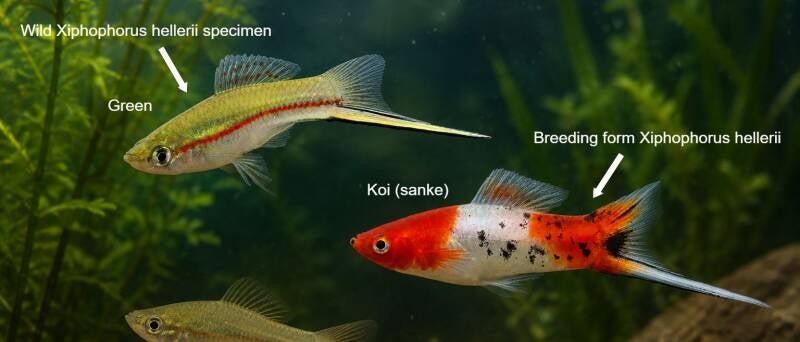
Can we compare breeding forms to their wild ancestors?
Well, "yes" and "no"...
Many breeding forms are already far related to their wild ancestors. Depending on the fish species we're talking about, genetically there can already be differences. Especially, when more than one other strain has been used to develop a breeding form. This can also result in a different behavior in comparison to their wild ancestors. But there are also breeding forms that were derived from wild specimens but were further linebred on specific traits with no interference of a different strain or even species. In this last case, genetically and in behavior such breeding strains have a lot of similarities to their wild ancestors.
Why do commercial bred fish in general have a shorter lifespan?
Well, there are multiple reasons why commercial bred fish coming from breeding farms are short lived in comparison to fish that are bred by serious private breeders. Aquarium fish and mainly the ornamental breeding forms come from several fish farms from all over the world. If we look at the western world, most fish come from Asian fish farms. A lot of those Asian fish farms occupy themselves with mass reproduction where lots of related specimens are involved. At a lot of those fish farms, selection in quality hardly happens till even no selection (selection in each generation is a must if we want to keep the quality up). This causes that good and lesser qualities of specimens will breed with another. The result is mostly that also the lesser quality or traits will be passed on to the next generation. Also more salt than we would use or even more meds are used as a precaution against possible illnesses.
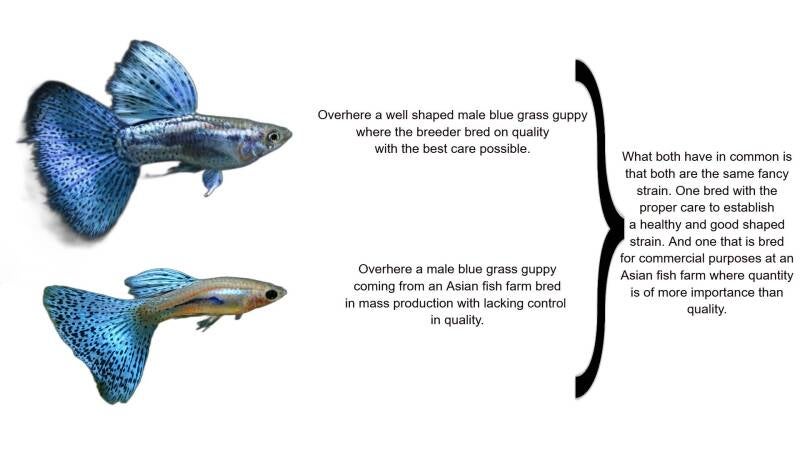
Next would be the fact that newborns are raised at a very high speed. At the store we think that we are dealing with adult fish. But they're actually younger than they look like. This means also that they were rushed in the growing process and will go faster through their life span. Commercialwise it's needed to have this pace in raising them to ensure to meet the continuous demand prevailing in the market. It's not about the quality but about the quantity. As long as the demanded strain is available is of more importance than the quality of the strain. This is how the market works. Btw, the fast raising of fish happens also at other fish farms outside Asia.
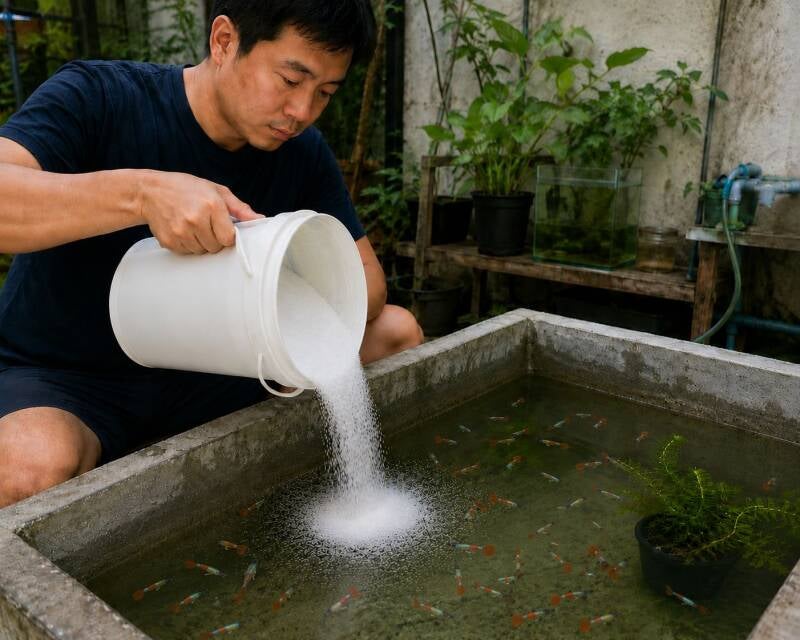
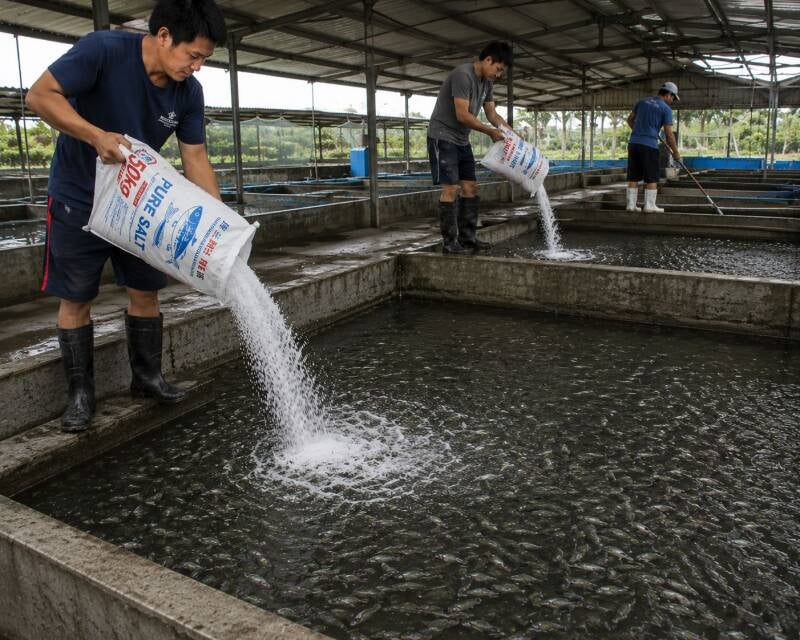
If we look at the mass reproduction in water with a higher salinity or meds loaded water, the fast raising and inbreeding between related specimens does already affect the quality of those fish. Then when they are moved to a wholesaler or importer abroad, those fish will mostly put in freshwater right away which can already cause some stress. Same situation happens when they are provided to a fish store. For the fish, it 's a transition from somewhat brackish water at the fish farms to freshwater (wholesaler, store and fish keeper). And every stop they had to go through from fish farm to wholesaler (or importer) to a store and finally to the fish keeper, the water parameters were mostly all different. So, by the time that we have those at home, those fish look well but are not that strong...
How many fish in a fish tank?
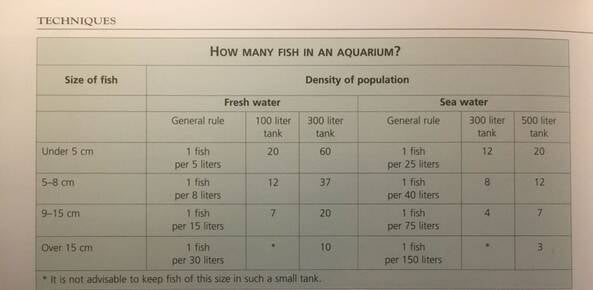
There are multiple rules for estimating how many fish one should have maximal in a fish tank. Yes, we can use the table as shown below. However, that doesn't say much. For a fish of a certain size that hardly moves through the tank will in itself require less space than a fish of the same size that does move through the tank. There are also fish species that only stay in one territorial space in a tank. And the rest of the fish tank is of no value to them. So, keep that in mind...
Aquarium fish stores.
Of course, a fish store needs to sell. Unfortunately, there are lots of fish stores (so, not all...) where sales are the number one priority and knowledge comes second (if only already present...). Fish stores where it's actually only about sales is of no go to me. For it doesn't show any passion for the aquarium hobby. I prefer to sense the passion for this hobby. If there's no passion, one can not call themselves an aquarist...!
As most aquarists, I myself love to visit every fish store I can. But again, if I only sense the commercial vibe, then I won't have the urge to purchase fish overthere. Sensing the passion is very key to me... But I do have to admit that just out of curiosity it won't stop me from taking a look at those fish. This may seem a bit hypocritical but it's the truth...